
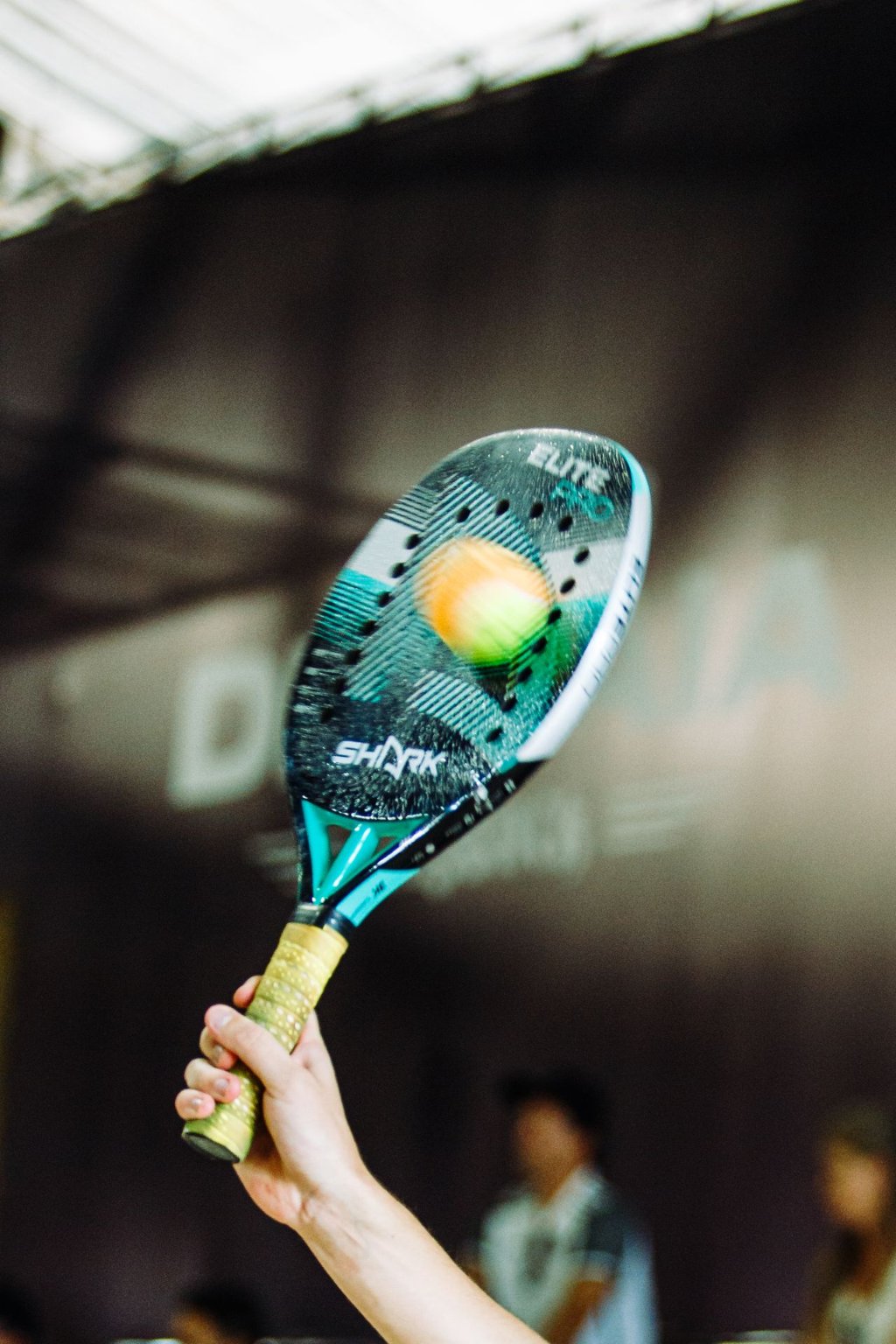
Easy to pick up, hard to put down, and more fun than almost any racket sport you have tried. Here is why padel has become Britain's fastest-growing sport, and why it might just become your new favourite way to spend an hour.
← Part of our complete How to Play Padel guide
UK participation figures: LTA, 2026.
Padel is a doubles racket sport played on an enclosed court about a third the size of a tennis court, with walls you can play the ball off, a little like squash. It borrows the best bits of tennis and squash, strips out the hard parts, and turns them into a game almost anyone can enjoy from their very first hit. That combination has driven staggering growth: participation in Britain has gone from just 15,000 players in 2019 to a million today.
So what is behind the hype? Here is what makes padel worth playing.
Six Reasons People Fall for Padel
Easy to start
Most people can rally within minutes. The underarm serve and the walls keep the ball in play, so you spend your first session actually playing rather than fetching balls.
A proper workout
You are constantly moving, reacting and repositioning. It builds fitness in your legs and arms and sharpens reflexes, all without the joint-pounding intensity of singles tennis.
Genuinely sociable
Always played in doubles, padel is a team game by design. The small court keeps everyone close and talking, which makes it as much a social occasion as a match.
Sharper coordination
Two bounces and the walls give you time to read the ball, so rallies last longer and your hand-eye coordination and timing improve naturally as you play.
Good for the mind
Time with friends, a break from the everyday and a hit of exercise all lift your mood. Regular activity is well established as a boost for mental wellbeing and sleep.
For all ages and levels
The smaller court, gentler pace and simple rules mean families, friends and mixed-ability groups can all play together and have a real game from day one.
The Sport That Welcomes Everyone
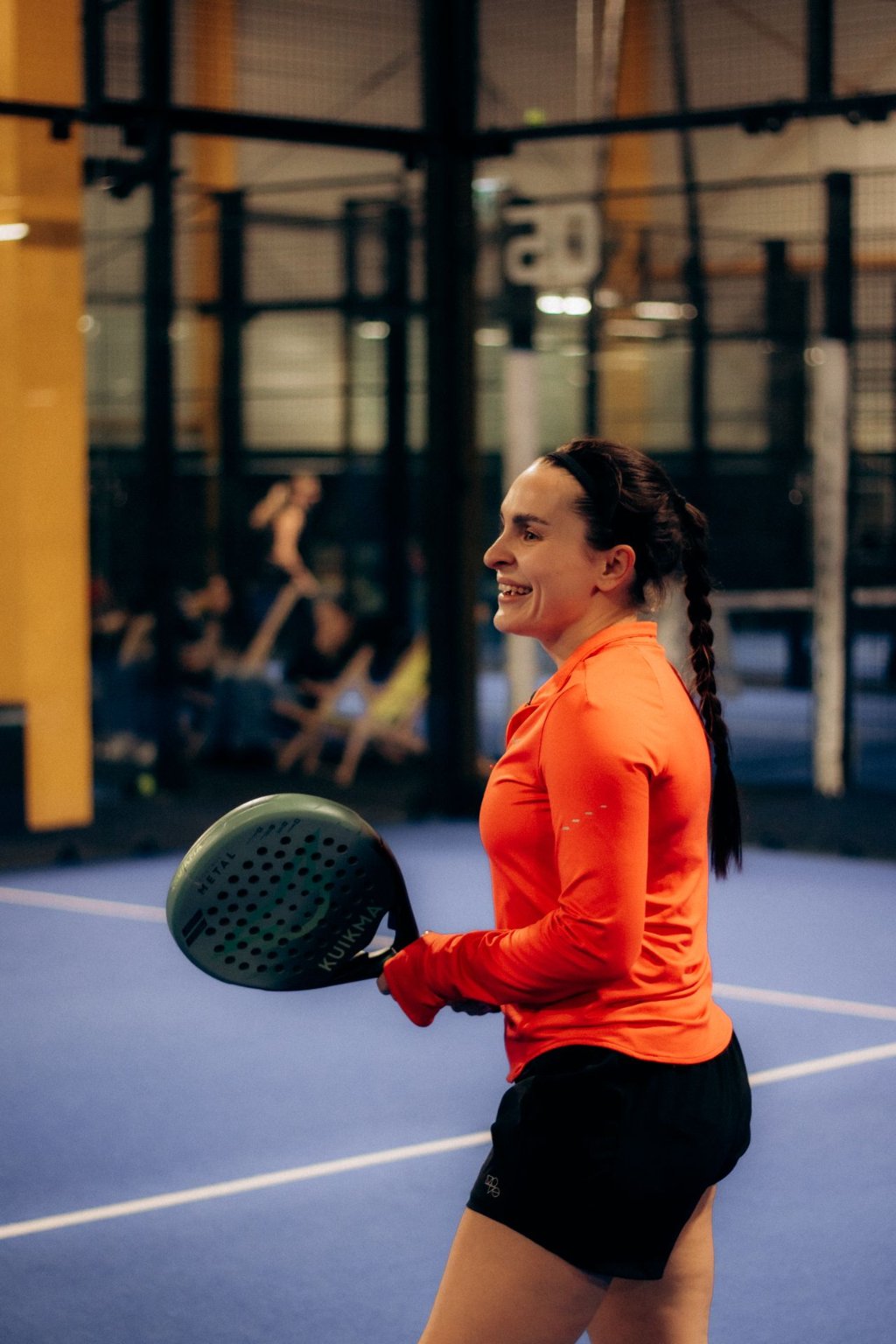
Padel's biggest strength is how quickly it clicks. There is no steep learning curve to fight through before the game becomes fun. The court is smaller so there is less ground to cover, the racket is light and easy to handle, and the ball stays in play longer thanks to the walls.
That means age, fitness and experience matter far less than in most sports. A complete beginner can share a court with a regular and both still enjoy a competitive, flowing game. It is one of the rare sports where the fun arrives on day one.
More Playing, Less Chasing
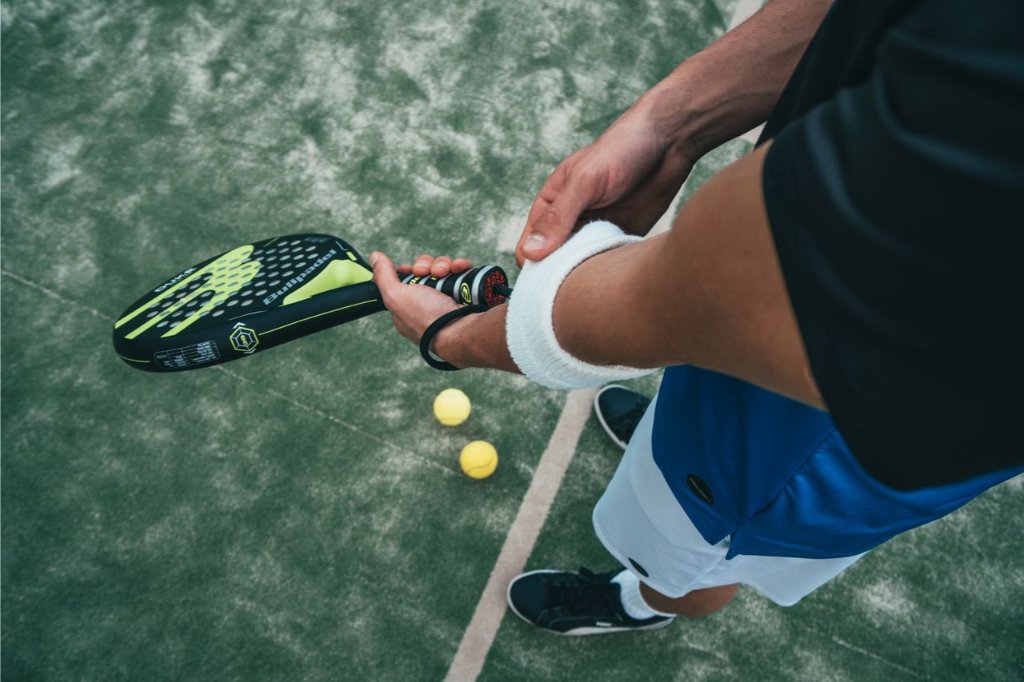
Because the ball stays in play and rallies flow, padel packs far more actual playing into your time on court. Less standing around, fewer interruptions, more of the good stuff.
On average, a game of padel gives you 50 minutes of play per hour, compared with around 15 in tennis.
Ready to Give It a Go?
With over 1,800 courts across Britain, there has never been a better time to try padel. Find a court near you and grab three friends, that is all it takes.
Find a Padel Court