
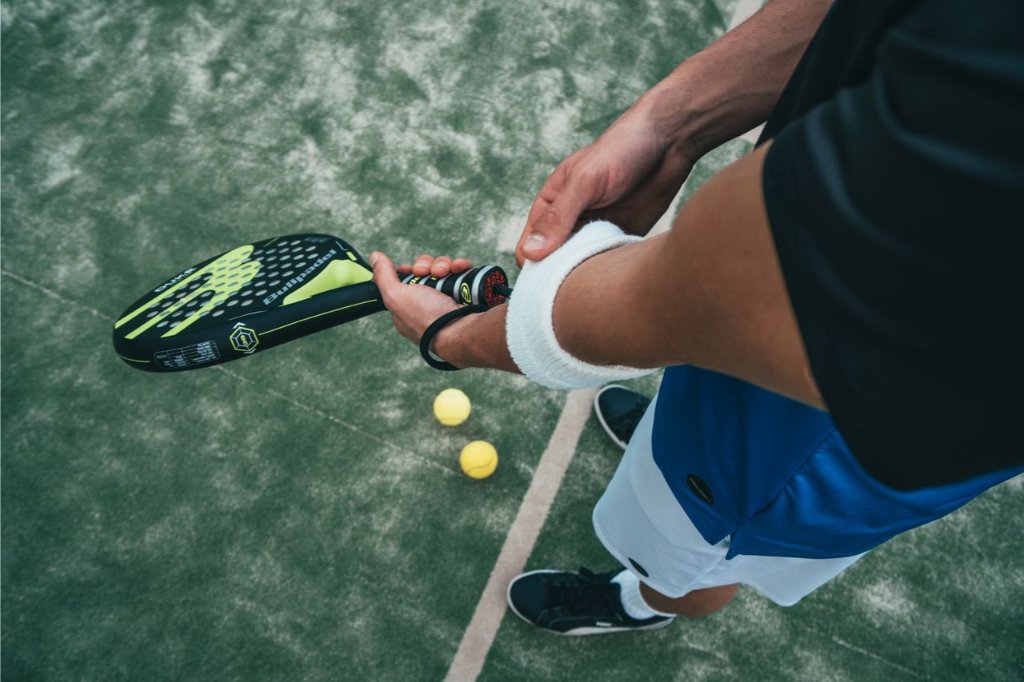
Padel is famously easy to pick up, and the rules are a big part of why. If you know tennis, you already know most of them. Here is everything you need to walk onto court and play with confidence, from scoring and serving to the all-important wall rules.
← Part of our complete How to Play Padel guide
- Padel is played as doubles, two against two, on an enclosed court roughly a third the size of a tennis court.
- Scoring is exactly like tennis: 15, 30, 40, game. Win six games to take a set, and it is usually best of three.
- The serve is underarm and diagonal: bounce the ball, then hit it at or below waist height into the opposite service box.
- The walls are the magic ingredient. Once the ball bounces on the floor, it can rebound off the glass and stay in play.
Padel looks complicated the first time you watch it, with the ball pinging off glass walls and players darting around a cage. In reality, the rules are refreshingly simple. Below we break the game down into the parts that matter: how it is scored, how you serve, and how the walls work.
The Basics
Doubles only
Padel is nearly always played two against two. The small, enclosed court makes doubles the natural format; singles is possible but rare.
The court
An enclosed rectangle 20m long and 10m wide, divided by a net, surrounded by glass walls and metal mesh that stay in play.
The aim
Win the point by making the ball bounce twice on your opponents' side, or forcing them to hit it out or into the net.
How Scoring Works
If you have watched tennis, this will feel instantly familiar, because padel uses exactly the same scoring. Points in a game climb through four steps:
Win six games to take a set, as long as you are two games clear, and matches are usually best of three sets. At 40-40 it is deuce, and a team must win two points in a row to take the game. Many clubs and tournaments now use a faster "golden point" or "Star Point" instead, where a single point at deuce decides the game.
The Serve
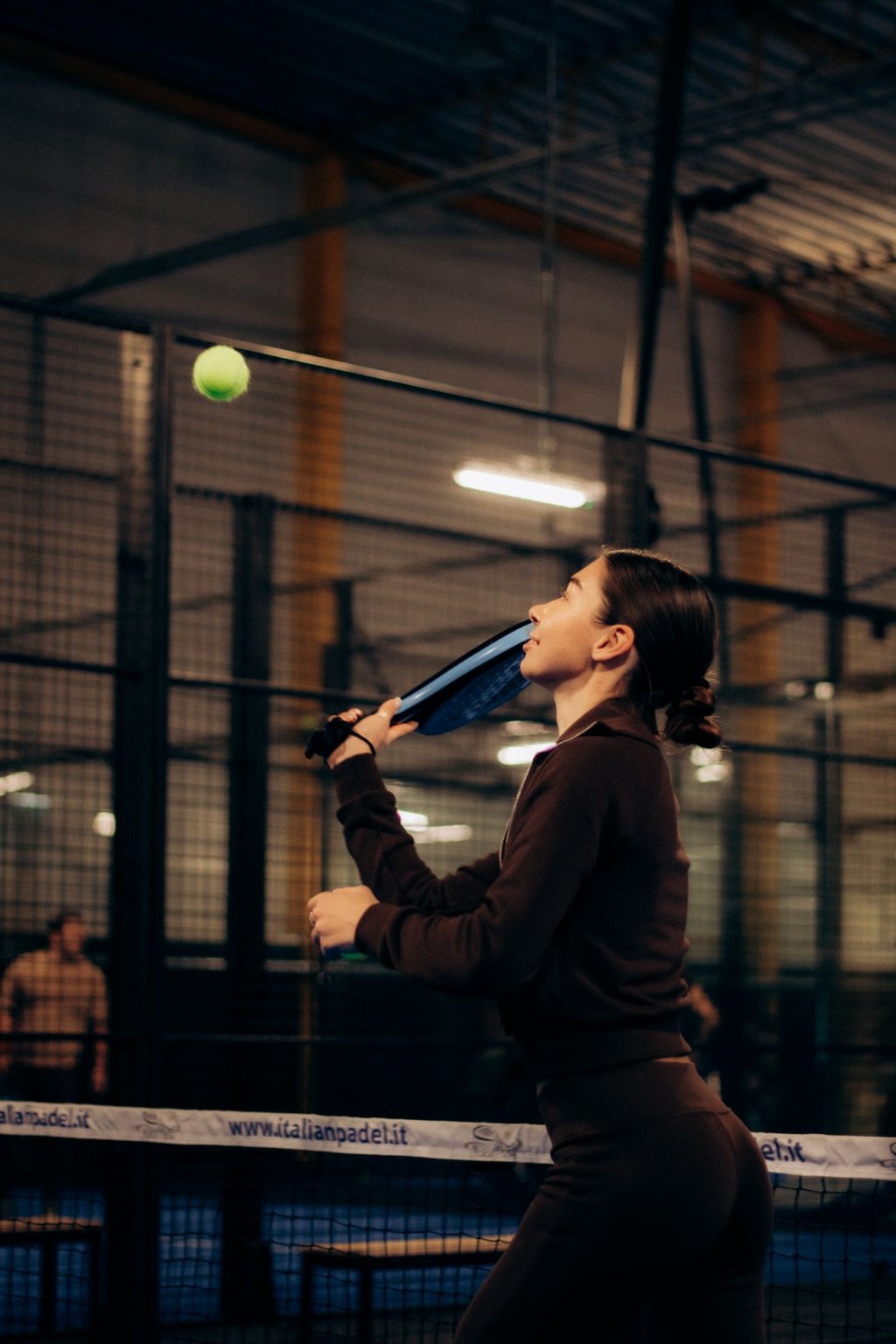
The padel serve is deliberately gentle, which is one of the reasons the game is so welcoming to beginners. It is not the weapon it is in tennis; the real game begins once the rally is under way.
To serve, you bounce the ball on the floor once, then strike it at or below waist height with an underarm action. You must keep at least one foot on the ground behind the service line, and the serve must travel diagonally into the opposite service box, just like tennis. If your first serve misses, you get a second attempt.
The wall on a serve: if the served ball bounces in the correct box and then hits the glass back wall, it is good and must be returned. But if it hits the side wire mesh after bouncing, it is a fault.
Playing the Walls
The walls are what set padel apart, and they are the thing beginners find most confusing. The rule underneath it all is simple: the ball must bounce on the floor first. Get that straight and the rest falls into place.
- The ball bounces on the floor, then rebounds off the glass. Play it as normal.
- A shot that bounces on your side, then flies into your own back glass. You can play it off the wall.
- After a floor bounce, the ball can hit the side walls or glass and stay live.
- Your shot hits the opponents' wall before bouncing on their floor.
- The ball flies directly into the metal mesh or fence without bouncing first.
- The ball bounces twice on your side before you return it.
A neat quirk: if the ball bounces and then flies out over the wall through a side opening, you are allowed to run out of the court and play it back. It looks spectacular, and it is completely legal.
Common Beginner Mistakes
Serving overhead
The instinct from tennis is to throw the ball up and serve over your head. In padel the serve must be underarm, below the waist.
Forgetting the floor first
Only the floor counts as a bounce. Hitting the ball straight onto a wall, with no floor bounce first, loses the point.
Touching the net
Touching the net with your racket or body during a point is a fault, even if you win the shot itself.
Know the Rules? Time to Play
The best way to learn padel is to get on court and give it a go. Find a club near you, grab three friends, and put the rules into practice.
Find a Padel Court